It is a core principle of the Montessori method, which fundamentally redefines discipline not as forced obedience but as internal self-control that develops naturally when a child is given freedom within a prepared, orderly environment.
The Montessori concept of discipline
For Montessori, traditional “discipline” is often just suppression—a child who is forced to sit still is not truly disciplined but “annihilated”. True discipline is an inner quality where a person can regulate their own conduct, not because of a reward or fear of punishment, but out of their own will and understanding.
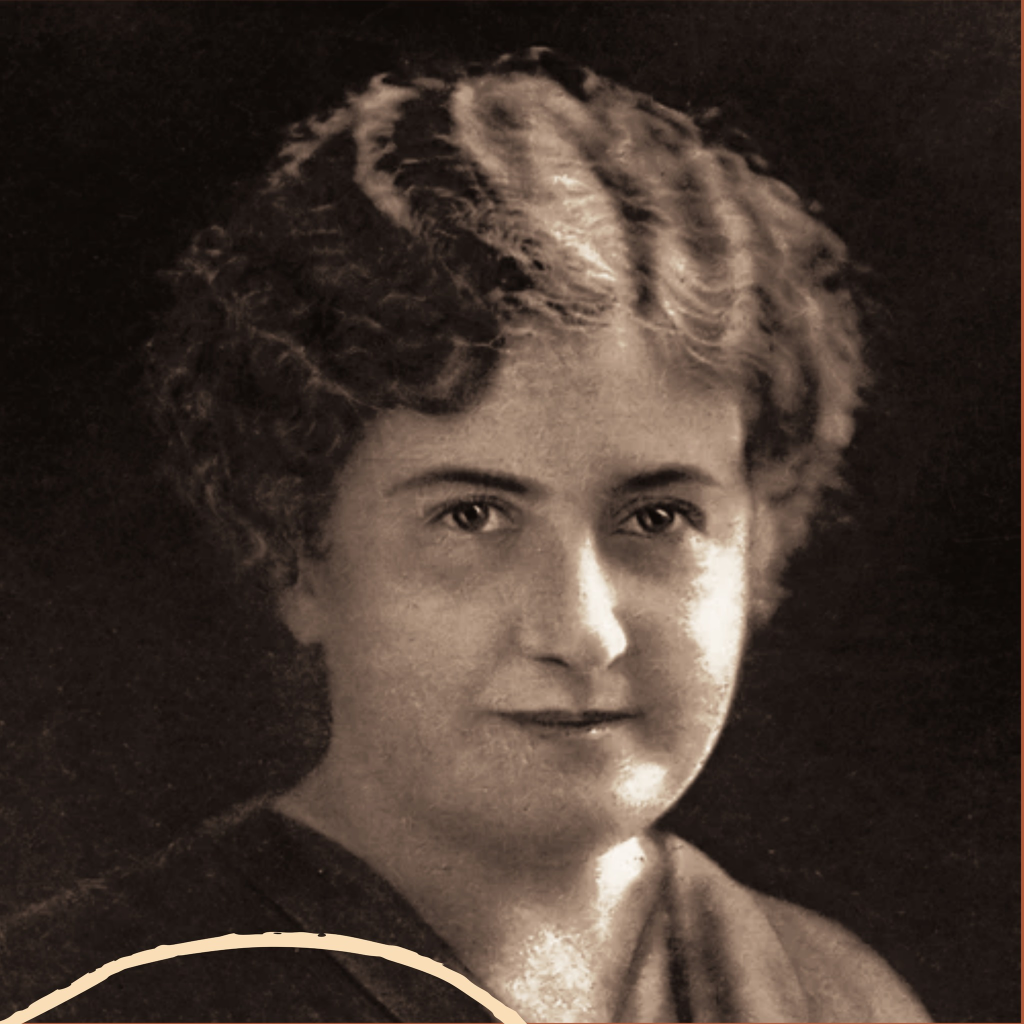
According to Maria Montessori, this is the essential condition for developing inner discipline:
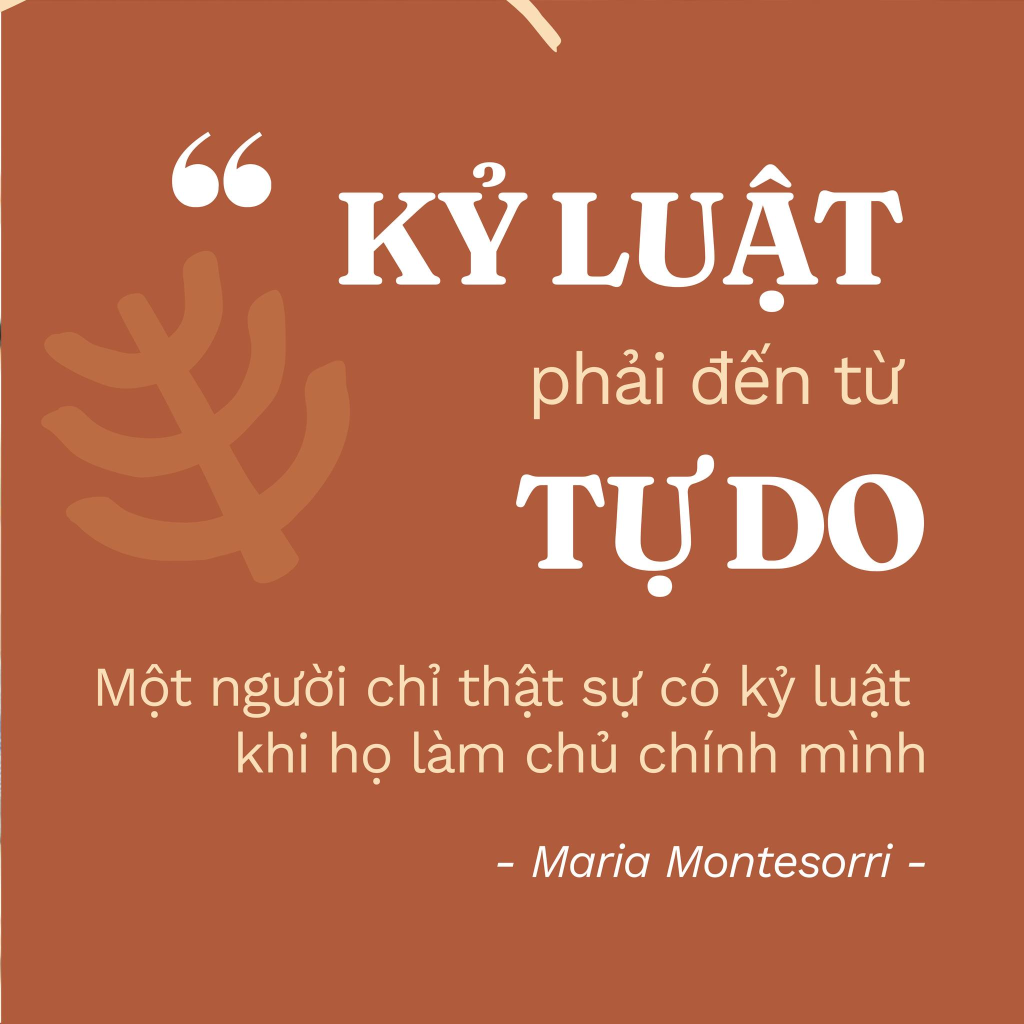
 “Discipline must come through liberty… We call an individual disciplined when he is master of himself.” – Maria Montessori
Freedom within limits empowers children with three core capacities:
Independence: making decisions, persisting with chosen work, and taking responsibility for their choices.
Inner Discipline: developing respect for themselves, others, and the environment – without external commands.
Self-Regulation: cultivating focus, emotional control, and behavior management – foundations for lifelong learning.
 At beU – Là Em, we see “freedom within limits” not just as a method, but as a way of empowering children: allowing each child to be U – to grow naturally, independently, yet responsibly connected with others.
That is the spirit of “be You – be Happy”: nurturing free, happy, and resilient human beings from within.